
The Litter Box Truth Nobody Talks About (But Every Cat Owner Needs to Hear)
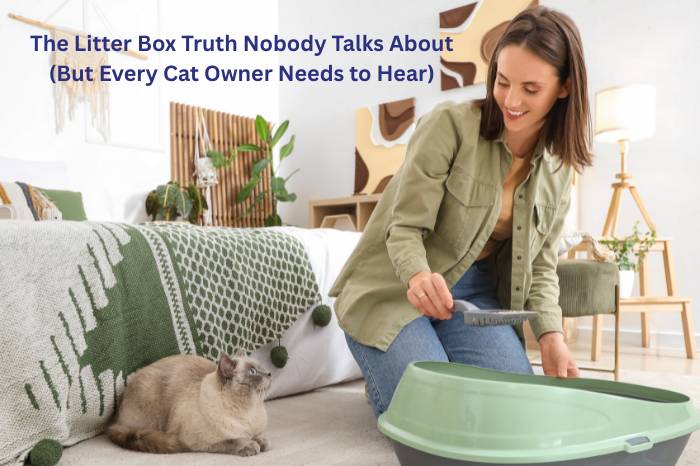
Let's have an honest conversation about something that lives in the corner of your bathroom, laundry room, or wherever you've tucked it away hoping guests won't notice.
The litter box.
We know. Not the most glamorous topic. But if you share your home with a cat, this might be one of the most important things you read this week — because what's happening in that box (or not happening) affects your cat's health, your home's air quality, and yes, your cat's mood toward you personally.
Cats are famously opinionated. And they have feelings about their bathroom situation.
Why a Clean Litter Box Matters More Than You Think
Most cat owners know they should scoop regularly. But here's what doesn't get talked about enough: how the litter box itself — the material, the design, the age of the box — affects everything.
The Bacteria Problem
A standard plastic litter box looks clean after you scoop. It is not clean.
Plastic is porous. Over time — and we mean weeks, not years — plastic litter boxes develop microscopic scratches from your cat's claws. Bacteria, odor-causing compounds, and ammonia work their way into those scratches and no amount of scrubbing fully removes them. This is why your litter box can smell even right after cleaning.
This isn't just an odor issue. Bacterial buildup can cause urinary tract issues in cats, particularly in cats who are already prone to them. If your cat has had recurring UTIs or litter box avoidance issues, the box itself may be part of the problem.
The Avoidance Problem
Cats are clean animals by instinct. In the wild, they bury waste to avoid attracting predators and to maintain their territory. A dirty or smelly litter box triggers that same instinct — and your cat's solution is to find somewhere cleaner to go.
If your cat has ever gone outside the litter box, a dirty or uncomfortable box is almost always the first thing to investigate. Before assuming it's a behavioral issue, look at what you're asking your cat to use.
The Ammonia Problem
Cat urine contains ammonia. As urine sits in a litter box — even for a few hours — it breaks down and releases ammonia gas into your home's air. You may not always smell it, but it's there, and prolonged exposure isn't good for you, your family, or your cat's respiratory system.
Regular scooping (at minimum once daily, ideally twice) is the most important thing you can do. But the right equipment makes that habit much easier to stick to.
Two Upgrades Worth Considering
Not all litter boxes are created equal. If you're ready to move beyond basic plastic, two options consistently get high marks from cat owners and vets alike.
Stainless steel litter boxes are non-porous, meaning bacteria and odors can't penetrate the surface the way they do with plastic. They clean completely with soap and water and last indefinitely. Simple, effective, and genuinely better than plastic in every measurable way. Our favorite can be found HERE.
Automatic self-cleaning litter boxes detect when your cat has used the box and automatically remove waste into a sealed compartment within minutes. The result is a box that's essentially always fresh — which means happier cats and dramatically reduced odor. They require more of an investment upfront but many cat owners consider them one of the best purchases they've ever made.
We'll be publishing full reviews of specific products in both categories soon.
The Simple Rules for a Happier Litter Box Situation
While you're deciding on an upgrade, these habits make a measurable difference right now:
Scoop at least once a day. Twice is better. Your cat notices. And think about it! Would you use a toilet that hadn't been flushed all day, or worse yet... for a few days? Yeah, you're cat doesn't want to either.
One box per cat, plus one. Two cats need three boxes minimum. Cats don't like sharing, and a crowded box situation leads to avoidance.
Full clean weekly. Empty the box completely, wash with mild soap and warm water, dry thoroughly before refilling. With stainless steel this takes about two minutes.
Replace plastic boxes annually. If you're sticking with plastic for now, plan to replace it every 12 months. The scratches and bacteria buildup are real even when you can't see them.
Mind the location. Cats want privacy and don't want their bathroom near their food. A quiet, low-traffic corner away from feeding areas is ideal.
The Bottom Line
Your cat can't tell you when something's wrong with the litter box. They can only show you — through avoidance, through behavior, through the general air quality of your home.
A clean, well-maintained litter box is one of the simplest things you can do for your cat's health and happiness. And the right box makes keeping it clean significantly easier.
We'll be adding specific product recommendations with full reviews soon. In the meantime, if you have questions about what might work best for your situation, we'd love to hear from you. Drop us a note!
Have a pet product you'd like us to review? Or a topic you'd like us to cover? Let us know — we're always looking for what actually matters to real pet owners.

Heather is not a vet. She will tell you that upfront. But she has spent years working in vet clinics and animal hospitals, has fostered more animals than she can count -- including several with special needs who immediately became permanent residents because of course they did -- and she has the hard-won practical knowledge to back up everything she writes.
She is thorough because she has to be. When you write about pet health and safety, 'pretty sure this is fine' is not a standard. She does the research, she draws on real experience, and she is not going to recommend something she wouldn't use on her own animals.
Fair warning: she may occasionally write about a foster animal who stole her heart. This is not a bug.
Her rule: If she wouldn't give it to one of hers, she's not recommending it to one of yours.